

Gifts aren’t strictly mandatory at retirement parties, but they’re a way to honor someone’s career. Check your invitation first—it might specify no gifts, suggest donations, or mention a group gift instead. If you’re giving solo, aim for $20–$100 depending on how close you are.
Pick something that fits their interests or new lifestyle, like travel gear or a hobby item. A handwritten note explaining your choice adds personal value to any gift.
There’s definitely more to know about nailing the presentation.
Is a Gift Required at a Retirement Party?

Do you really need to bring a gift to a retirement party? Honestly, no—it’s not strictly mandatory. However, a gift can be a nice way to celebrate someone’s years of dedication and hard work. Think of it as optional but considerate.
Before you stress, check the invitation first. Some hosts specifically request no gifts or suggest donations instead, and you should absolutely follow that guidance. When you’re unsure, just ask the event organizer directly—they’ll tell you what works best.
If you do give a gift, skip worrying about the price tag. Instead, focus on something that reflects the retiree’s interests, hobbies, or future plans. A personalized present demonstrates consideration more than an expensive generic one ever could.
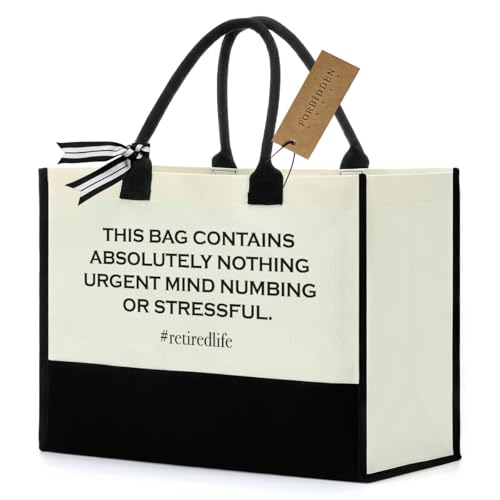
👜【Size & Durability】17 x 7.9 x 12.6 inches, and it is made of heavy duty 95% natural cotton canvas, which is just right size and is portable or shoulder-slung, suitable for most women.The bags are made with dense thread and exquisite workmanship. All seams are reinforced and sewn to ensure their durability.

CELEBRATE RETIREMENT: The embroidered message “RETIRED 2026 NOT MY PROBLEM ANYMORE” adds humor and personality. The clear stitching stands out, making it a fun way to enjoy the freedom of retirement life

Package Included: You'll get 12 adventure awaits party favor bags, including 4 different styles, 3 of each style, 12 airplane shape tags, and 393.7inch jute twine, sufficient quantity to meet your different needs, each graduation party favor gift bag is equipped with a handle, convenient for you to pack some small gifts and carry with you.
When a Retirement Gift Makes Sense
Whether you should bring a gift really depends on a few key factors: how close you actually worked with the retiree, what vibe the party has, and whether you’re chipping in with coworkers instead of going solo. A formal celebration with an invitation that hints at gifts? That’s your green light, especially if you’ve spent years working side by side with this person. Group contributions are solid alternatives too, since they spread the cost around and often result in something more substantial than what one person could grab alone.

VIBRANT LIGHT SHOW: This retirement sun light catcher casts brilliant rainbows across any window, infusing rooms with warmth and nostalgia as a perfect sentimental retirement gift for woman

Personalized Special Retirement Gifts - Show your sincere admiration and affirmation for him/her with this special Crystal clock gift during the retired stage in the life. This keepsake is a heart-warming idea for those people who is going to retire, such as grandpa, grandma, husband, wife, ,brother, manager, colleague, teacher, doctor, etc. Every time he or she sees this gift, she feels proud of the work she has done. To show your respect and praise with ease

Compact Dimensions: Measures 5" W x 5" H x 2.5" D, making it a suitable size for display on desks, shelves, or mantles without taking up excessive space
Close Working Relationships Matter
If you’ve spent years working closely with someone who’s now retiring, a gift is a great way to show you’ve valued the experience. Your shared history matters, and retirement gifts signal that recognition.
Here’s what makes the connection meaningful:
- You’ve built trust through daily interactions and collaborated on real projects together
- You’ve witnessed their work ethic, humor, and contributions firsthand
- You understand what they actually value, making personalized retirement gifts more thoughtful
When you’re close with a retiree, they’ll likely treasure your gift more than a generic one. It’s not about spending large amounts of money—it’s about acknowledging the years you’ve spent working side by side. That authentic appreciation is what turns a simple present into something they’ll actually remember.
Event Formality and Tone
How casual or formal is the retirement party you’re attending? The event’s tone really shapes your gift decision. At a fancy, formal gathering with colleagues and executives, a group gift works well. You’re showing respect through something polished and considerate. But if it’s a casual backyard barbecue with close coworkers, a card with a personal note is appropriate. You don’t need to match formality with expense. Your gift should reflect the retiree’s personality and your actual connection to them. So check the invitation’s vibe first. Does it feel stuffy or relaxed? That’ll guide whether you bring something wrapped or simply show up with genuine warmth and perhaps a card.
Group Contributions and Alternatives
Why not pool your money with coworkers to give something really great? Group gifts let you all chip in together and actually afford substantial items that’d be tough solo. You’re basically saying, “We value you,” which feels better than individual small gifts scattered around.
Here’s what makes group gifts work:
- You can fund significant items like tablets, high-end luggage, or spa days that impress the retiree
- Shared contributions mean everyone belongs to something meaningful without straining anyone’s finances
- One coordinated gift beats multiple duplicate items cluttering their space
Just list contribution amounts on the invitation so folks know what to give. For smaller celebrations though, skip the big pooled gift. A sincere card with a modest group present works perfectly when the vibe’s low-key. Match your approach to the party’s tone and budget.
Understanding What the Invitation Says

The invitation itself is your roadmap, so I read it like a detective looking for clues about whether gifts are wanted or not. You’ll find some invitations straight-up say “no gifts, please” or “gifts not necessary,” while others might mention a group present or specific donation preferences. When the wording feels unclear or leaves you guessing, I recommend reaching out to the organizer directly—a quick text or email removes the guesswork and demonstrates you care about getting it right.

Front Message: Happy Retirement Look back with pride on all you’ve accomplished, look forward with excitement to all the adventures ahead, and just enjoy yourself — you’ve earned it!

Made In America: Premium Envelope Included, Printed on Thick, Premium, Glossy Finished Card Stock Using Proprietary Process

ATTLVV Funny Retirement Card for Her A humorous card with a floral illustration and witty text, perfect for celebrating a woman’s retirement with charm and laughter.
Clarifying Gift Expectations Upfront
Before you even think about shopping, take a close look at what’s written on that retirement party invitation—seriously, it’s your best resource here. The organizer’s already given you clues about gift etiquette if you know where to look.
Check for these specific signals:
- Explicit statements like “no gifts, please” or “donations preferred” that make your decision clear
- Mentions of group gifts or collection details that tell you where to contribute your money
- Blank space where gift guidance should be, meaning you’ll need to reach out directly
When the invitation’s fuzzy, don’t guess. Just contact the event organizer and ask straight up. They’ll appreciate your consideration, and you’ll avoid awkward moments. Getting clarity upfront means you’ll feel confident and included, not stressed.
Following Explicit Instructions Carefully
How you’ll handle gift-giving at a retirement party often comes down to one simple thing: what the invitation actually says. I’ve learned that reading carefully saves you from awkward moments. When an invitation explicitly requests no gifts, I respect that choice. When it suggests a donation instead, I follow that direction. The wording matters because it shows what the retiree actually wants.
| Invitation Says | What I Do |
|---|---|
| “No gifts, please” | Bring a card with a note |
| “Donations to [charity]” | Contribute in their name |
| “Gifts appreciated” | Choose something appropriate |
| “Group gift available” | Participate or give individually |
Following explicit instructions is basic gift etiquette. It respects the host’s wishes and keeps everyone comfortable. When I’m unsure, I contact the organizer directly. That simple step prevents confusion and demonstrates consideration for getting it right.
Asking the Event Organizer
Why guess when you can just ask? Reaching out to the event organizer removes all the guesswork from your gift-giving decision. They’ll know exactly what the retiree needs and wants, plus they’re familiar with the overall plan. Don’t feel shy about asking—organizers expect these questions.
- Ask whether gifts are wanted, discouraged, or if donations work instead
- Find out if they prefer group gifts or individual presents from each guest
- Inquire about gift options that match the retiree’s actual interests and lifestyle
A quick phone call or email saves you time and money. You’ll discover gift options that’ll make the retiree happy. Getting clarity upfront means you’re contributing to their celebration. Everyone wins when you simply communicate.
How Much Should You Actually Spend?
When it comes to retirement gifts, the price tag doesn’t determine the gift’s value—thoughtfulness does. I’d suggest setting your gift budget between $20 and $100, depending on how close you are to the retiree. If they’re a close friend, spending more makes sense. Here’s the thing: money alone can feel impersonal, so I recommend combining cash with something that matters to them. Maybe pair $50 with a book about their hobby or a nice mug for their new free time. Group gifts work well too—pooling money with coworkers lets you buy something quality while keeping costs manageable. When you’re unsure about amounts, check with the event organizer. They’ll guide you, and honestly, that considerate gesture matters far more than the number on your receipt.

RETIREMENT GIFT FOR WOMAN: Retirement marks the beginning of an exciting new chapter filled with endless possibilities and experiences waiting to unfold. This beautifully curated retirement gift set for women is designed to celebrate this significant milestone in life. With thoughtful items like a stylish travel bag, notebook, diamond pen, mug, spoon, coaster, keychain, hand towel, scented candle, greeting card, and gift box

UNIQUE RETIREMENT GIFT FOR WOMAN:Struggling to find the perfect gift to celebrate an incredible woman’s retirement? The Uwingess 2025 Retirement Gifts for coworker, teacher, boss, nurse, mom, grandma, or friend—this meaningful gift will touch her heart and show how much she’s valued.Ideal as a coworker farewell gifts, goodbye gifts,leaving gifts,or retirement party souvenir.

Retirement Gifts For Women- After many years of hard work, when the day of retirement really comes, A women should have a beautiful retirement gifts, Give your loved one a special gifts set,which include 1*wine tumbler, 1*burlap tote bag, 1*100g candle, 1*wine bag,1*bookmark, 2* bath bomb, 1* Exquisite card and 1* Exquisite gifts box.
Choosing Between Physical Gifts and Experiences
When you’re picking out a retirement gift, experiences often stick with someone longer than stuff sitting on a shelf—a weekend trip or cooking class creates memories your coworker will actually reminisce about. Of course, you’ll want to balance what sounds good against your budget, since a fancy experience might cost more upfront than a nice physical item, but a gift that matches what your retiree actually enjoys (whether that’s golf outings, spa days, or wine tastings) beats an expensive generic gadget every time. The real trick is matching your gift choice to who they are and what they’re excited to do with their newfound free time.

Best Retirement Card: This fun card is sure to bring joy to him/her.

Front Message: Relax and Enjoy the ride Try something new Imagine the possibilities Remind yourself to play Expect adventures Make new plans Entertain a few wild ideas Nap without guilt Take time just for you

🥳【Package Included】You will receive a signed guestbook with the message "Happy Retirement". It is durable and suitable for preserving the blessings of family and friends for a long time.
Memorable Experiences Over Objects
How’d you like to give a gift that the retiree’ll actually remember five years from now? Experiences beat objects every time. I’ve found that memories stick around way longer than stuff sitting on a shelf.
Consider these transition options:
- A weekend getaway lets them explore somewhere new, and you’re funding actual adventure time together.
- Cooking classes or wine tastings match their hobbies, making the experience feel personal and thoughtful.
- Spa days or group trips create shared moments that build connection with loved ones.
Here’s the thing: we’re all part of this transition together. When you coordinate with other gift-givers, you can fund something that fits their retirement plans well. Group experiences demonstrate that you care about what they’ll actually enjoy doing next.
Budget Considerations For Each Option
What’s your actual budget looking like? That’s the real question when picking between physical gifts and experiences.
Individual contributions typically run $20 to $100, depending on your relationship with the retiree and what you can comfortably spend. If you’re pooling money with coworkers, you’ll stretch further—maybe snagging something distinctive instead of settling for generic gift ideas.
Here’s the thing: experiences often deliver more value emotionally. A weekend getaway or cooking class creates lasting memories that outperform another coffee mug. However, if funds are tight, personalized gift boxes offer solid middle ground—affordable, customizable, and considerate.
For large celebrations or stretched finances, a heartfelt card with personal notes works well too. You’re not obligated to spend more than you can afford. What matters most is demonstrating you care, not the price tag.
Personalization Matches Retiree Interests
You’ve got your budget figured out, and now comes the fun part: making sure your gift actually speaks to the person you’re celebrating.
A personalized present goes beyond generic. Think about what makes this person tick. Here’s how you can nail it:
- Monogrammed items or engraved keepsakes that commemorate their career journey
- Custom gift boxes reflecting their hobbies, tastes, and future adventures
- Experiences tailored to their interests—like a cooking class or theater night
Whether you’re going physical or experiential, the impact comes when you match the gift to who they actually are. A framed photo paired with a note acknowledging their accomplishments? That’s the move. You’re not just giving something; you’re honoring their story and demonstrating they’re valued in your circle.
Sentimental Gifts That Honor Their Career
The best retirement gifts tell a story about someone’s career, and I’ve found that the most effective ones capture actual memories instead of generic trinkets. You can create gift ideas like photo collages, scrapbooks filled with teammate messages, or engraved memory books that celebrate their journey. A personalized handwritten letter from colleagues adds that personal touch everyone remembers. Consider these sentimental options:
| Gift Idea | Why It Works | Perfect For |
|---|---|---|
| Framed photo collage | Shows shared moments | Visual storytellers |
| Engraved pen | Daily reminder of impact | Detail-oriented folks |
| Service recognition plaque | Honors achievements | Legacy builders |
These gifts don’t just sit on shelves—they become treasured keepsakes that remind retirees how much they’ve meant to their workplace family.

Large Capacity And Durability: 16.5 X 12 X 7.5 inches, and it is made of canvas, which is just right size and is portable or shoulder-slung, suitable for most women. The bags are made with dense thread and exquisite workmanship. All seams are reinforced and sewn.


Blue Retirement Gift Bag: This funny blue retirement gift wrap bag comes with a large leaving work gift bag, matching greeting card, 3 sheets of tissue paper, creating an uplifting and celebratory vibe. Blue boarding pass retirement gift bag ensures your present shines with layered texture and effortless sophistication, leaving a lasting impression
Hobby-Based Gifts Aligned With Their Interests

I think the best retirement gifts aren’t generic—they’re tailored to what your retiree actually loves doing with all that newfound free time. Whether they’re an avid gardener, golfer, painter, or baker, identifying their passions means you can pick something they’ll use and value, not just stick in a closet. From monogrammed gear bags to craft supplies to experience packages like cooking classes, you’ve got plenty of options that’ll keep them engaged with their hobbies for years to come.



Goodbye Gifts For Coworkers: The text on this retirement keychain is full of enriching advice and beautiful wishes for retirees. The print design of the fireworks is also full of blessings for the recipient, celebrating her or him entry into the next stage of life.
Identifying Retiree’s Passions
How well do you actually know what makes your retiring coworker tick? Finding the right hobby-based gift means digging into their passions, and I’ve found that the best approach involves asking around and observing what they actually do.
Here’s how I identify someone’s true interests:
- Chat with their close friends or family members who know their hobbies inside and out
- Notice what they talk about during breaks—gardening, fishing, cooking, or golf usually comes up naturally
- Check their social media or ask direct questions about weekend activities and personal projects
Once I understand their passions, I can pick something useful like fishing gear, gardening tools, or cooking equipment that they’ll actually use. This works better than generic gifts because it demonstrates that I paid attention to what matters to them in retirement.
Selecting Meaningful Hobby Items
Once you’ve figured out what your coworker actually loves to do, you can hunt down a gift that’ll matter to them in retirement.
I’d look for gift ideas that match their hobbies directly. If they garden, consider quality pruning shears or personalized tool handles. Golfers appreciate monogrammed towels or new putters. Foodies might love specialty cooking gadgets or gourmet ingredient sets.
Here’s what makes these gifts work: they’re practical and personal. You’re not just giving stuff; you’re acknowledging their interests and what brings them happiness.
Consider pairing items together too. A painting starter kit plus a local art class, or premium seeds with a gardening guide. When your group pools money, you can grab something substantial that demonstrates real consideration. That’s the approach for retirement gifts.
Travel Gifts for the Adventure-Bound Retiree
What’s better than helping someone explore the world they’ve finally got time for? Travel retirement gifts matter when you know what adventurers actually need. I’ve found that practical items make the biggest impact.
Consider these options:
- Quality carry-on luggage with durable wheels and smart compartments keeps essentials organized across multiple destinations
- Personalized passport holders or engraved luggage tags add a thoughtful touch while preventing lost belongings
- Travel organizers and packing cubes compress clothing efficiently, maximizing suitcase space for extended trips
You could also pool resources with others for a premium travel package or weekend getaway experience. Guidebooks tailored to their dream destinations, specialized clothing for specific climates, and travel vouchers work well too. When you give retirement gifts focused on adventure, you’re really giving the gift of freedom and exploration.

Features the viral quote ‘Never Underestimate The Difference You Made’ - perfect for coworkers retiring, switching jobs, or relocating, with a heartfelt message that honors their impact.
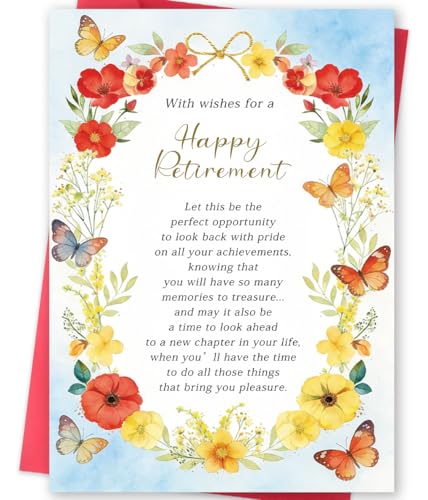
ELEGANT HAPPY RETIREMENT MESSAGE Features a warm and thoughtful message celebrating retirement as a well-earned new chapter, honoring years of dedication and achievement

A special retirement card with unique patterns and exquisite packaging can be the perfect gift for important people and unforgettable memories.
Practical Gifts They’ll Use Every Day

The best retirement gifts aren’t flashy—they’re the ones that make daily life easier and more enjoyable. I’ve found that practical retirement gifts work well when they’re things your retiree will actually use. Consider a high-quality reusable water bottle for their daily adventures, or a subscription service they’ll appreciate. Travel organizers function well if they’re planning trips. A streaming service subscription keeps them entertained without leaving home. Book subscriptions suit the avid reader perfectly. These items become part of their routine, reminding them of your consideration every single day. You’re not just giving a gift—you’re giving something that fits naturally into their new lifestyle. That’s what makes practical gifts so effective for this special milestone.

🎉New Beginnings Gift Set – A Thoughtful New Chapter Begins. Celebrate life’s transitions with this New Beginnings Gift Set, designed to honor fresh starts and meaningful milestones. Whether it’s a retirement gift, farewell gift for coworkers, graduation gift, new job congratulations, or a thoughtful divorce gift for women, this curated set marks the start of a new chapter. Includes a cozy blanket, calming candle, ceramic mug, plush socks, premium leather notebook, heartfelt card, and gift box

🌻[All-in-One Retirement Gift Box 2026] - Celebrate her retirement in 2026 with a thoughtfully curated retirement gift box designed to honour years of dedication, commitment, and hard work. From the moment she opens the pink gift box and reads the retirement greeting card, she feels truly appreciated. The cozy socks, stylish tumbler, and meaningful keepsakes accompany her into retired life, while the scented candle adds a relaxing moment—creating a warm and memorable retirement celebration
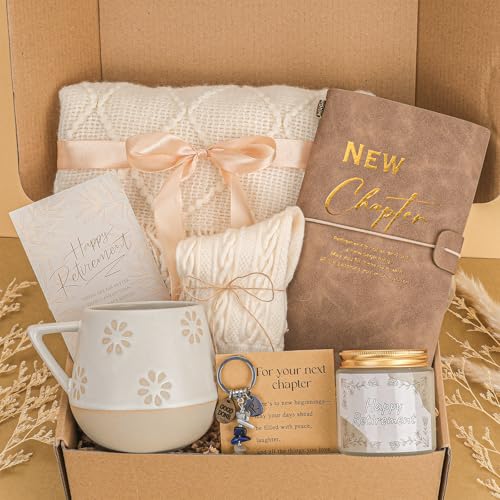
🎁 Complete Retirement Gift Set – Curated with 7 thoughtful items including a personalized card, crystal keychain, elegant journal, ceramic mug, soft shawl, knit socks, and a scented candle – everything she needs to feel appreciated and celebrated.
Should You Pool Money for a Group Gift?
When you’ve got several coworkers chipping in for one gift, you’re looking at something exceptional—a group gift can fund items that’d be tough on a single budget, like a high-end tablet, quality luggage, or even a memorable experience such as a weekend getaway or spa day.
Before you start collecting money, here’s what I’d do:
Before collecting money for a group gift, check with the event organizer, list contribution amounts clearly, and manage expectations upfront.
- Check with the event organizer first—they’ll tell you if group gifts fit the vibe
- List the contribution amount on your invitation so everyone knows what they’re committing to
- Manage expectations by being clear about what you’re actually buying
Group gifts work well when you’ve got a solid crew willing to participate. They’re particularly effective for retirement celebrations because they have more impact than single gifts. Just keep communication flowing, and you’ll succeed.

Package Includes: 24pcs retirement cards with envelopes and stickers; 4 X 5.25 inches; Well packaged in a box


50 ADVICE CARDS - Perfect retirement activity for the retiree. Use as a guest book alternative or leave on the reception tables in the party.
Writing a Message That Actually Resonates

You’ve got a chance to write words that’ll stick with someone way more than a generic “Happy Retirement” ever could. Handwritten notes beat pre-printed cards because they show you actually cared enough to pick up a pen. Skip the fancy cursive if it’s not your thing—your real voice matters more than perfect penmanship.
Mention something specific. Maybe they always stayed late to help teammates, or they made everyone laugh during tough projects. Call out real moments that prove their impact. Keep things positive and future-focused. Don’t dredge up old workplace drama or complaints.
If you’re pooling money with coworkers, add a line acknowledging everyone’s collective appreciation. Something simple like “We all chipped in because you meant something to all of us” lands perfectly. Authentic beats polished every single time.
How to Present the Gift Without Awkwardness?
How’d you actually hand over a gift without it feeling like you’re presenting evidence in court?
I’ve found that timing matters. Present your gift during the designated gift-giving moment, not randomly mid-conversation. Keep your gift presentation simple and direct—hand it over with a smile and maybe a brief comment about why you chose it.
Here’s what makes the handoff smoother:
- Coordinate with organizers beforehand so you’re not surprising anyone with an expensive item that duplicates another gift
- Include a personal message card that explains your gift choice, which takes pressure off the verbal exchange
- Provide a receipt for pricier gifts, showing you trust them with easy exchanges
The key? You’re not performing. You’re sharing something with someone you respect. That authenticity dissolves any awkwardness.
Common Gift-Giving Mistakes to Avoid
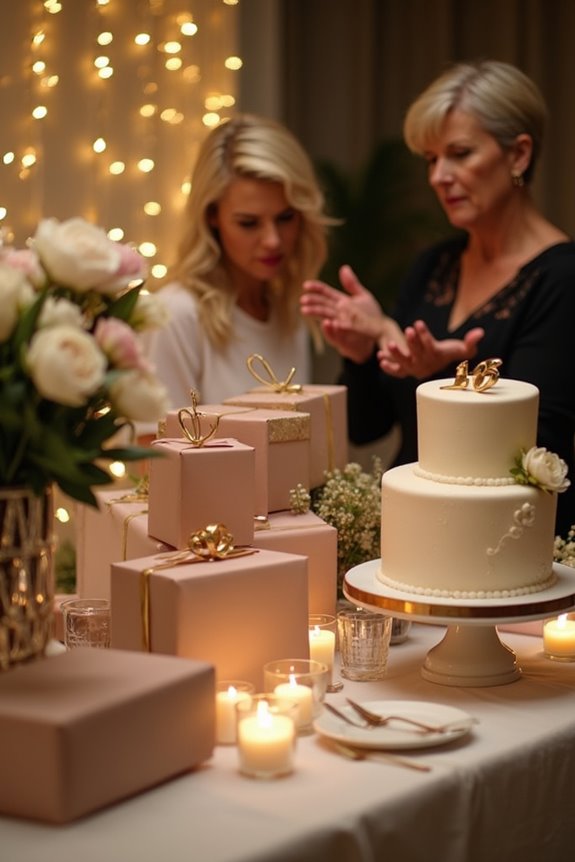
What’s the quickest way to turn a thoughtful gesture into an awkward moment? I’ll tell you: skip the gift etiquette basics.
The quickest way to turn a thoughtful gesture into an awkward moment? Skip the gift etiquette basics.
First, don’t assume gifts are required. Check the invitation wording or ask the organizer before shopping. Second, avoid extremes—I’ve seen people give $15 gift cards alongside $200 presents, creating weird vibes. Aim for that sweet spot between $20–$100 depending on your relationship with the retiree.
Here’s another common misstep: ignoring their actual interests. Generic gifts feel impersonal. Instead, I lean toward hobby-related items that show you’ve paid attention.
Finally, skip the handwritten card and you’ve really missed the mark. Even a short personal message adds depth to a simple gift. These details matter far more than you’d think when celebrating someone’s significant milestone.
What to Wear When You’re Giving a Gift?
The outfit you pick matters more than you’d think when you’re showing up to give a gift at a retirement party. You’re not just delivering a present—you’re showing respect for the occasion and the person being celebrated.
Here’s what I’d suggest:
- Match the formality level to the party’s vibe, so your gift doesn’t feel awkward sitting next to your outfit
- Choose polished pieces like dress slacks with a button-down shirt or a sundress that make you feel confident
- Wear comfortable shoes because you’ll actually enjoy mingling instead of wincing all night
Dark jeans work fine for casual celebrations, but add a collared shirt or blouse to keep things sharp. Tasteful accessories complete the look. Your appearance tells the retiree you cared enough to dress well for their big day.
Your Pre-Party Gift Decision Checklist

Before you even think about picking out a gift, you’ll want to do some homework on what the retiree actually wants. I’ve found that checking the invitation wording first saves you from awkward surprises. Does it ask for gifts, or would donations fit better? That matters.
| Decision Point | Your Action |
|---|---|
| Check invitation | Look for gift preferences |
| Consider relationship | Personal or group gift? |
| Think interests | Hobbies, travel plans? |
| Coordinate with coworkers | Avoid duplicate gifts |
I always consider the event’s formality too. A casual gathering might call for something personalized, while formal events work with group gifts. Don’t forget that handwritten note—it adds a personal touch. You’re joining your team in celebrating someone remarkable, and thoughtfulness counts more than spending a lot of money.