

When you hand over a gift in Japan, say *tsumaranai mono desu ga* (this is just a trifling thing) while presenting with both hands and a slight bow—it’s actually the highest respect because you’re humbly downplaying your generosity. You might also say *kore honno kimochi desu ga* (this is just a small token of my feelings). Pair these phrases with proper two-handed presentation and a genuine smile.
The real focus isn’t the gift itself; it’s demonstrating you’ve considered the gesture and the relationship carefully, which builds authentic trust and connection.
The Essential Phrase: “Tsumaranai Mono Desu”
When you’re handing over a gift in Japan, you’ll almost always hear someone say “tsumaranai mono desu”—which literally means “this is a trivial or insignificant thing.” Now, that might sound like you’re insulting your own gift, but here’s the thing: you’re actually doing the opposite.
This phrase is a key tool for expressing humility in Japanese gift-giving etiquette. You’re not really saying the gift is worthless. Instead, you’re shifting focus from the gift itself to your gratitude and respect for the recipient. It’s all about the sake of modesty.
When presenting a gift, you’ll typically use both hands and offer a small bow alongside these words. This combination of gestures and politeness sets an appropriate tone for workplace etiquette and social exchanges. You’re basically saying, “I respect you enough to give you something,” while keeping expectations grounded and genuine.

12 SHEETS:This Japanese style wrapping paper pack includes 12 sheets total,with 3 sheets per design.Each sheet is pre-folded for compact storage and convenience.Whether for personal use or small businesses,this bulk set offers versatility and value without compromising on quality or aesthetic appeal.

What You Will Get: You will receive 1 Japanese-themed gift bag, 1 matching greeting card, and 3 sheets of red tissue papers. It includes everything you need to elevate your gift presentation with effortless style and cultural charm

How to Present Your Gift With Proper Etiquette

How do you actually hand over a gift so it lands just right? I present my gift with two hands and a slight bow, showing respect and care. Before handing it over, I say “tsumaranai mono desu ga” or “kokoro bakari no mono desu ga” to express humility—it’s just a small token from my heart. I always accompany this with a genuine “arigatou gozaimasu” to thank them for accepting it. The wrapping matters too; I use appropriate noshi or mizuhiki for formal occasions, keeping everything polished. When I kureru or ageru the gift, I avoid opening it in my presence. This graceful reciprocity shows gratitude and keeps the exchange meaningful. These simple gestures create belonging and warmth.

Unique Cat Design: Our wrapping paper features sushi food and kawaii cat design.These gift wrap are limited edition and unique to make it easy to add a personal touch to your present.

Extra Value - Each pack includes 6 sheets of cute sushi cat design. Perfect for all your wrapping needs

Japanese Style Design - Our cute wrapping paper features cherry tree design,.These gift wrap are limited edition and unique to make it easy to add a personal touch to your present.
Adapt Your Phrase for Ochugen, Oseibo, and Business Trips

Those graceful gestures we’ve covered work well for everyday gifts, but Japan has some particular gifting occasions that warrant their own phrases. For ochugen, I say “tsumaranai mono desu ga, kore honno kimochi desu ga” to show humility while giving. With oseibo, I use “kore wa kochirakoso kore kara mo yoroshiku onegai itashimasu” to express ongoing appreciation and future goodwill. On business trips, I present omiyage with both hands, bow, and invite them with “douzo meshiagatte kudasai.” I pair these with “arigatou gozaimasu” and “otsukaresama desu” to acknowledge their efforts. Each occasion calls for different Japanese phrases, indicating I’ve done my preparation. This reciprocity strengthens relationships and demonstrates respect.
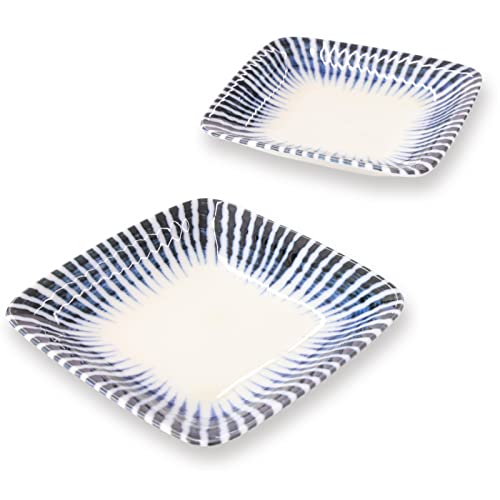
[EXQUISITE JAPANESE CRAFTSMANSHIP] Experience the elegance of Japanese Mino Ware with this set of soy sauce dishes. Perfectly crafted with the traditional Sendan-Tokusa pattern, these plates elevate your sushi dinner, making every meal a special occasion.

[PREMIUM QUALITY] Experience the elegance of high-quality Japanese Mino Ware. These rice bowls feature the traditional Sendan Tokusa pattern, offering a timeless design that enhances any dining experience, whether formal or casual.

This is a small-sized Gaufre created in response to customer requests. A set of 2 Tin Cans of Kobe Fugetsudo: Petites Gaufres and Petites Gaufres au Gouter. A Petites-Gaufres set with 6 different flavors. This set includes "Petites Gaufres" with vanilla, strawberry, and chocolate cream, and "Petites Gaufres au Gouter" with black tea, matcha, and coffee cream.
Why Humility Is Core to Japanese Gift-Giving Etiquette
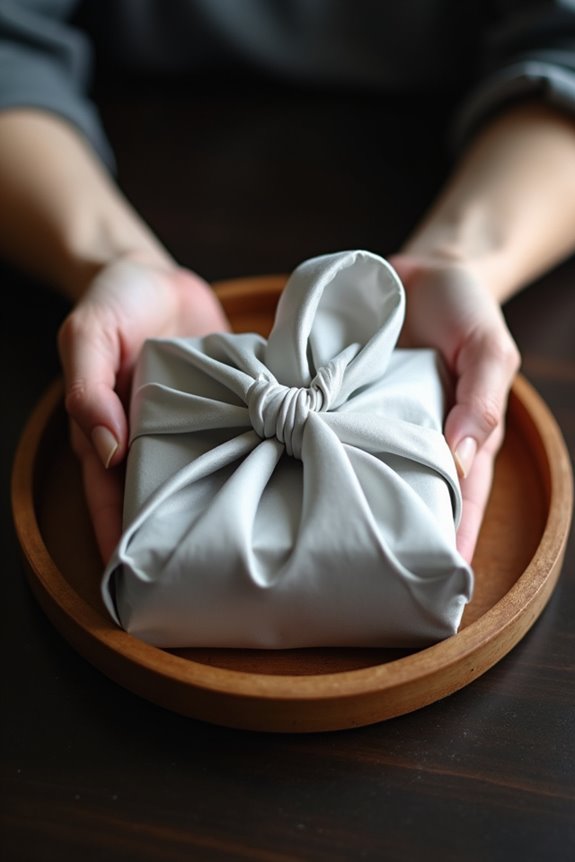
Why’d I keep emphasizing how modest my gift is when I’m actually giving something thoughtful? That’s the whole point of Japanese gift-giving etiquette. Humility isn’t about downplaying your effort; it’s about respecting your recipient and keeping relationships balanced.
| Phrase | Context | Purpose |
|---|---|---|
| Kore honno kimochi desu ga | Any gift | Shows genuine sentiment |
| Tsumaranai mono desu ga | Omiyage, oseibo | Emphasizes thoughtfulness |
| Arigatou gozaimasu | Receiving | Reinforces gratitude |
When I present with two hands and a slight bow, I’m acknowledging the recipient’s status and strengthening our bond. Phrases like kore honno kimochi desu ga and tsumaranai mono desu ga aren’t fake modesty—they’re genuine expressions that shift focus from the gift’s price to the relationship itself. This approach works across all contexts: omiyage, ochugen, oseibo, and business trips. You’re joining a community that values connection over prestige.

REALISTIC SUSHI DESIGN: These socks are cleverly rolled and packaged to resemble real sushi, with designs inspired by salmon sushi and a veggie roll. Complete with accessories like mochi and a soy sauce bottle, this set looks just like an authentic sushi meal!


HEALTHY & SAFE - The Fu/Fortune chopsticks are made of original high-quality, Natural wood, no paint, free of wax and handmade polished by China's traditional process. Healthy, Durable, and Clean
What to Say if Your Gift Is Declined

I’ve learned that when someone says “ie, ie” or “kekkou desu,” they’re not necessarily giving you a hard no—it’s actually part of a refusal ritual where you’re supposed to gently offer again instead of backing off immediately. You’ll want to stay humble by using phrases like “sumimasen” and showing you’re still available, which keeps things graceful and maintains the harmony between you two. The great part is that persistence isn’t pushy in Japanese culture; it’s respectful, so offering once more (or even later at a better moment) shows you care about sharing the gift.

[About Furoshiki] Furoshiki is the Japanese fabric wrapping art that has been practiced in Japan for over 1,300 years. It was used to wrap gifts and clothing. It has now become a versatile way to carry gifts, cake, bento boxes, bottles, groceries and more as Eco Gift Wrap Paper.

Japanese Style Design - Our cute wrapping paper features green cherry tree and cloud design.These gift wrap are limited edition and unique to make it easy to add a personal touch to your present.

Delicate Asian Party Decorations Gift Bag: The gift bag set is available in different configurations. It includes a Chinese gift bag, a match red-themed greeting card and yellow tissue paper. The gift bag measures 30x24x13.5cm, and the greeting card measures 18x12cm.
Understanding Refusal Rituals
What happens when someone politely waves off your gift? In Japanese etiquette, this refusal ritual is totally normal and expected. You’ll hear “ie, ie, kekkou desu”—which means they’re declining respectfully. Here’s the key point: you shouldn’t give up immediately. Instead, practice polite persistence by repeating your offer with warmth. Say “Please, please accept it” and maintain that humble two-handed presentation with a slight bow.
The key to maintaining harmony is patience. Let them accept at their own pace without pushing too hard. When they finally agree, respond with “arigatou gozaimasu” and a warm smile. This gift-giving dance shows respect and consideration.
Understanding these refusal rituals elevates your offer and acceptance into a real connection that honors Japanese customs and builds belonging.
Graceful Persistence and Acceptance
So they’ve politely declined your gift—now what?
When someone says “ie, ie, kekkou desu,” this ritual shows respect for both people involved. Here’s how you gracefully persist:
- Offer a humble phrase like “tsumaranai mono desu ga” (this is just a small thing) while presenting with two hands and a slight bow
- Wait briefly, then reoffer once or twice if appropriate, maintaining 礼儀 (proper etiquette) and 礼節 (courtesy)
- Shift smoothly to gratitude by saying “arigatou gozaimasu,” acknowledging their consideration
This 謙遜 (humility) reflects great 礼儀. Whether you’re giving お歳暮 or お中元, the key is showing you value them more than the 贈り物 itself. Eventually accepting their decline preserves harmony and demonstrates true 敬意—you’re saying their comfort matters most.
Companion Phrases That Build Trust
How do you turn a simple gift into something that deepens your connection with someone?
Pairing humble phrases with your gift-giving creates trust. When you present omiyage, adding arigatou gozaimasu with a sincere smile shows genuine appreciation. Phrases like tsumaranai mono desu ga and honno kimochi express modesty, letting recipients know you’ve thoughtfully chosen something small yet meaningful.
For edible gifts, douzo meshiagatte kudasai invites them to enjoy what you’ve shared, reinforcing omotenashi—true hospitality. This shifts the moment from transactional to relational.
Closing with kore kara mo yoroshiku onegai itashimasu signals ongoing goodwill, suggesting this relationship matters beyond today. These companion phrases don’t just accompany gifts; they communicate that you value the connection itself. That’s what builds lasting trust.

[About Furoshiki] Furoshiki is the Japanese fabric wrapping art that has been practiced in Japan for over 1,300 years. It was used to wrap gifts and clothing. It has now become a versatile way to carry gifts, cake, bento boxes, bottles, groceries and more as Eco Gift Wrap Paper.

[About Furoshiki] Furoshiki is the Japanese fabric wrapping art that has been practiced in Japan for over 1,300 years. It was used to wrap gifts and clothing. It has now become a versatile way to carry gifts, cake, bento boxes, bottles, groceries and more as Eco Gift Wrap Paper.

[About Furoshiki] Furoshiki is the Japanese fabric wrapping art that has been practiced in Japan for over 1,300 years. It was used to wrap gifts and clothing. It has now become a versatile way to carry gifts, cake, bento boxes, bottles, groceries and more as Eco Gift Wrap Paper.
Mistakes to Avoid: Wrong Words and Gestures
When you’re ready to give a gift in Japan, there’s a fair amount of room for getting it wrong—and I’m not talking about picking the wrong present.
I’ve learned that certain gestures and words can totally backfire. Here’s what’ll help you stay on track:
- Present with two hands while bowing slightly, never one-handed or casually tossed
- Skip red or black wrapping—these colors scream funeral vibes, which nobody wants
- Never mention taboo numbers like 4 or 9, as they suggest bad luck
When giving gifts, I use humility phrases like *tsumaranai mono desu ga* and *kore honno kimochi desu ga* to show respect. Most importantly, don’t open gifts in front of the giver. Instead, thank them with *arigatou gozaimasu* later. These etiquette rules aren’t annoying—they’re how you demonstrate consideration.

A set of 2 tin cans: Gaufres 10S and Gaufres au Gouter 10S. Kobe's popular sweets gifts, cream sandwiched between crispy, fragrant thin crus wafers! Gaufre is a sandwich of vanilla, strawberry, or chocolate cream between crispy, fragrant thin crust. The red can of Gaufres au Gouter has a rich tea flavor of black tea, matcha, and coffee. The crumbly texture and refreshing flavor of the thin crust are delivered in an assortment of Gaufres.
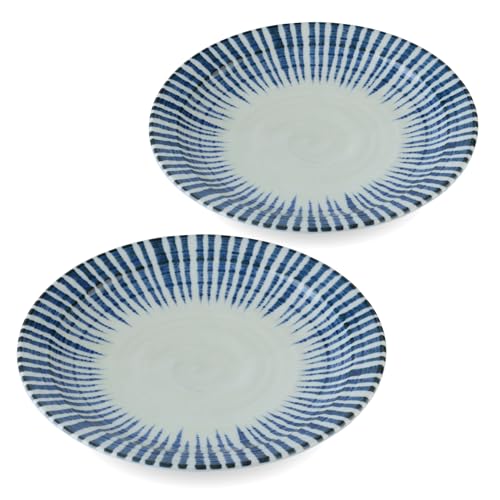
[HIGH-QUALITY JAPANESE CRAFTSMANSHIP] Experience the elegance of Japan with our Mino Ware Sendan Tokusa Plates, crafted with precision and tradition for a stunning addition to your tableware collection.

This is an assortment of 5 different types of cookies: butter cookies, pretzel cookies, tart cookies, turning cookies, and sugar butter cookies. The dough contains 4% butter, and one type has cocoa kneaded into it for a gentle flavor. It comes in a presentation box, making it the perfect gift or souvenir.