

Most grandparents naturally ease up around 18, when grandkids hit independence and college life kicks in.
But here’s the thing—the real cutoff depends way more on how close you actually are than any birthday.
Some families swap toys for cash or experiences, while others keep gifting if the relationship’s strong.
Money matters too; excessive gifts can strain retirement savings.
The trick is matching your generosity to both your finances and your actual closeness.
Why 18 Is the Most Common Age Cutoff
Why does eighteen feel like such a natural stopping point for grandparent gifts? I’ve noticed that most grandparents and grandchildren experience a real shift around this age. It’s when young adults typically leave home, start college, or enter the workforce—marking that transition into adulthood. The gift-giving cutoff at 18 years old isn’t random; it reflects something deeper about how families view responsibility and independence.
I find that many grandparents see this milestone as a moment to step back from regular gifting. Extended family members often stop because they view 18-year-olds as self-sufficient adults rather than dependents. It’s a way to acknowledge growth and maturity. Of course, some families buck this tradition entirely, and that’s equally valid. The reality is that each family’s gift-giving cutoff depends on relationships, values, and circumstances unique to them.

Gift Cards are shipped active and ready for use.

Gift Cards are shipped active and ready for use.

INSTANT OR MAIL DELIVERY – Choose a digital eGift Card for instant email delivery (perfect for last-minute gifting) or a physical card mailed to you or your recipient for a classic gift experience.
How Gifts Evolve in Adulthood
Once you hit your twenties and thirties, you’ll probably notice your grandparents swap those wrapped boxes for cash or gift cards, which makes sense when you’re paying rent and bills. Instead of another sweater you’ll never wear, they might pitch in for a weekend getaway, concert tickets, or something experiences-based that fits your adult life. The shift comes down to this: grandparents figure out that what you really want isn’t stuff—it’s either money to spend how you choose or memories you’ll retain.

❤️POCKET HUG TOKEN: you will receive a stainless steel pocket hug token and 1 piece of PU leather keychain. The stainless steel token keepsake is double sided designed. The Front: "Pocket Hug"; The Back:"Take pride in how far you've come. Have faith in how far you can go. But don't forget to enjoy the journey." The pocket hug keychain can express your love and care for your loved ones and touch and inspire them.

Graduation Gifts with Cap Box & Quote Card : This cute compass bracelet comes in a cute cap box with a card printed "Behind you, all your memories. Before you, all your dreams...". It encourages her to never forget memories made and to follow her dreams. This cute bracelet makes a great gift for your grad who is headed off on her own. This thoughtful bracelet is designed to go with the graduation cap which could be hits with the graduates you give the compass bracelet to.

Gift for Teen Girls 🎁: Searching for the perfect birthday gifts for teenage girls? Sanyi aromatherapy shower steamers are the ultimate self-care surprise. Ideal as Christmas gifts, stocking stuffers, back-to-school care packages, or dorm room must-haves — give her a moment of calm, a splash of color, and a reason to smile after a long day of classes.
Money Replaces Physical Gifts
How’d you like to receive a gift that actually fits your life?
When you hit your 20s and 30s, grandparents usually swap physical gifts for something way more practical: money. It’s a sensible choice because cash works with whatever you’re doing, whether that’s saving for a car, funding a trip, or tackling student loans.
This shift happens because grandparents realize you’re not collecting toys anymore. You’ve got real expenses and dreams. Monetary gifts, vouchers, and experience deals become the go-to move during birthdays and Christmas. Some families even set spending caps to keep things fair and consistent across all grandchildren in adulthood.
The best part? Money respects your independence while staying connected. Your grandparents still demonstrate their care—they’ve just gotten smarter about it.
Experiences Over Material Possessions
While money’s great for covering your bills and big goals, plenty of grandparents actually go one step further—they’re investing in experiences you’ll remember for a long time. Instead of another sweater collecting dust, your grandparents might fund a weekend getaway, concert tickets, or that cooking class you’ve mentioned. This shift in gift-giving during adulthood makes sense because experiences stay with you longer than stuff does. You’ll think back on that trip to the mountains far more than a generic gadget. Travel vouchers, adventure outings, and shared meals become the real treasures. Your grandparents understand that in adulthood, these valued moments matter most. They’re not just giving gifts—they’re creating moments you’ll actually hold onto and share with others for years to come.
Why Money and Experiences Beat Toys for Adults

As your grandkids hit their 20s and 30s, you’ll notice toys don’t land quite like they used to—but here’s the thing: money and experiences actually mean more at this stage. A concert ticket, travel voucher, or cash gift gives them choices and memories that last, which beats a toy collecting dust in their apartment. These gifts respect who they’ve become and what they actually need, making your generosity feel personal and useful.

Hilarious Birthday Money Gift – Ditch the boring birthday card and wrap your cash in this funny “Birthday Dough” pizza box! A creative way to gift money with laughs and surprise.

【One-size-fits-all design】: 16.5 inches in length, precisely fits men's sizes 5-9 and women's sizes 6-10.

Experiences Create Lasting Memories
Ever notice how your favorite childhood memory isn’t about a specific toy you owned, but rather something you *did*?
That’s the pattern behind modern gifting. Your grandparents understand this now. Instead of stuff collecting dust, they’re investing in experiences—travel vouchers, Airbnb stays, concert tickets—that you’ll actually value. These gifts create lasting memories you’ll replay for years, far more valuable than another item for your shelf.
The benefit? Shared experiences deepen your connection. When your grandma gifts you a weekend getaway or cooking class, you’re not just receiving something; you’re building moments together. That’s where real belonging happens. Your grandparents aren’t stopping their generosity at this life stage—they’re redirecting it toward what matters: time, adventure, and memories you’ll truly appreciate.
Financial Flexibility For Adults
your grandparents realize you don’t need another decorative mug or sweater that doesn’t quite fit. That’s when gift-giving becomes more practical and fun. Instead of toys, your grandparents shift toward monetary gifts or experiences tailored to what you actually want. Maybe it’s an Airbnb credit for a weekend getaway, a travel voucher, or straight-up cash you can use however you’d like. This financial flexibility lets them celebrate you without guessing your style. Birthdays and Christmas remain prime gift-giving occasions, but the presents match your adult life better now. Your grandparents aren’t abandoning you—they’re just getting smarter about showing they care by giving you real choices.
Meaningful Gifts Over Stuff
Why do grandparents suddenly switch gears when you hit your twenties? You’ve outgrown toys, and honestly, you don’t need more stuff cluttering your apartment. That’s when experiences become valuable.
Here’s what actually lands with adult grandchildren:
- Travel vouchers or Airbnb stays that fund real adventures
- Money that respects your independence and actual needs
- Experience-based gifts tied to your specific interests
- Budget-conscious gifting that keeps relationships strong without financial strain
When grandparents shift toward gifts for adults like these, they’re showing they really know you. A personalized travel fund beats another decorative item every time. These experiences create lasting memories, deepen your bond, and give your grandparents satisfaction watching you enjoy them. That’s the whole point—connection matters more than accumulation.
When Does the Relationship Matter More Than Age?

How close you actually are to your grandkid can matter way more than their birthday.
I’ve noticed that relationship quality beats age every single time. Grandparents who text regularly, share inside jokes, and know their grandchildren’s interests? They keep gifting well into adulthood. Meanwhile, distant relatives might stop at eighteen regardless of tradition.
| Relationship Type | Gifting Continues? | Typical Gift Style |
|---|---|---|
| Close, communicative | Yes, often to 35+ | Money or experiences |
| Moderate connection | Sometimes | Items or cards |
| Distant or strained | Usually stops | Rare or none |
Think of it like this: strong bonds don’t expire. When grandparents maintain real connection through WhatsApp chats and video calls, they’re investing in something that lasts. Gifting persistence reflects actual closeness, not calendar years. Your relationship’s strength determines whether gifts continue flowing or naturally fade.

Gift Card is nested inside a specialty gift box


Polished Holiday-Themed Keepsake: Adorned with vibrant seasonal designs that capture the warmth and magic of Christmas, this special christmas gift card booklet is crafted to help you beautifully organize, stylishly display, and cherishedly treasure all your holiday gift cards and heartfelt greetings
The Financial Cost of Excessive Grandparent Gifts
Although grandparents give with good intentions, the numbers can add up fast and create real budget problems. I’ve watched families struggle when gift giving spirals out of control, straining retirement savings and monthly budgets alike.
Here’s what happens when excessive grandparent gifting takes hold:
- Retirement funds shrink faster than planned, threatening long-term security
- High dozens of gifts flood homes, creating storage nightmares for parents
- Financial strain spreads across extended families, affecting everyone’s wallets
- Patterns persist stubbornly, even when grandparents’ incomes shift downward
The truth? Many grandparents continue buying despite knowing it hurts financially. Fear of disappointing grandchildren wins out over practical budgeting. Without honest conversations about limits, unsustainable patterns dig deeper into savings. We all belong in families that communicate openly about money. Setting boundaries now protects everyone’s financial futures.

Share those weekend vibes with a gift that lets them get whatever they want — get away, get a ride, get some new gear, get a meal, or get entertained. Who says you can’t get everything!

Redeemable at any Bloomin’ Brands restaurant locations in the United States. Also redeemable at Outback Puerto Rico and Guam locations

Encourage Repeat Business: As a small business owner, you don’t just want customers;
When Grandparents Should Set Gift Limits

At what point does gift-giving shift from joy to burden? I’ve found that setting an age threshold around 18 works well for many families in our area. That’s when grandparent gifting naturally evolves, and you can establish clear gift limits without awkwardness.
Here’s what I’ve noticed: talking openly about spending caps prevents financial strain and keeps everyone aligned. Some families cap physical gifts at specific dollar amounts, while others switch to experiences or money instead. The key is deciding together what feels sustainable for your situation.
Your family size, income, and closeness matter too. Closer relationships might justify continuing gifts beyond 18, but with boundaries. Setting these limits early means you’re not scrambling later, and your adult grandchildren understand your love doesn’t depend on presents.


Magical Payment Experience: Transform everyday transactions with this fairy wand credit card holder; The purple butterfly design adds enchantment to shopping trips and retail payments; Wave the wand to pay at contactless terminals for a unique payment method
Why Fewer Gifts Often Lead to Happier Grandchildren
Ever notice how kids light up more over one thoughtful present than a pile of stuff they’ll forget about?
I’ve found that shifting my gift-giving patterns toward quality over quantity actually strengthens our grandparent-grandchild relationships. Here’s why fewer gifts work well:
- Less clutter means more appreciation – One great gift gets noticed and treasured
- Gifts with care create lasting memories – Experiences like travel vouchers beat forgotten toys
- Reduces decision fatigue – Kids feel overwhelmed by too many choices
- Deepens connection – Careful selections show you truly know them
When I scaled back, my grandkids seemed happier. They played longer with fewer toys, and we spent better quality time together. This approach respects both our budgets and their mental space while making each gift feel special rather than obligatory.

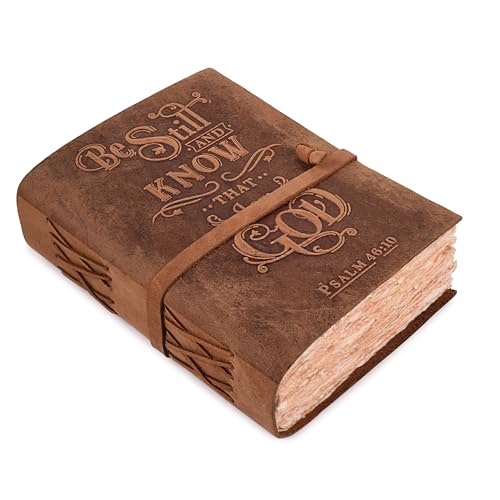
VINTAGE LEATHER JOURNAL: Crafted by Leather Village from genuine buffalo leather, naturally oil-tanned and chrome-free. Each piece features a unique distressed vintage look with natural variations in shade, paired beautifully with antique-style paper.

Graduation Gifts for Boys: Celebrate the graduation with these graduation bracelet for boys or teen boys, let them believe graduation is the beginning of a new adventure and full of confidence and energy for the future
How to Avoid Family Conflict Through Early Conversations

Once you’re thinking about scaling back gifts, it’s worth having an honest talk with your adult kids before resentment creeps in. Early conversations about gift boundaries work well because they prevent misunderstandings down the road.
Start by discussing gifting expectations openly. Talk about budget limits, how often you’ll give presents, and whether money or actual gifts make more sense. You might ask: do birthdays and Christmas stay on the list, or are graduations included too?
These chats don’t have to be awkward. Frame it as protecting your relationship, not pulling back love. Agree on a specific age threshold, like eighteen or post-college, and stick to it fairly across all grandchildren. When everyone knows the plan, nobody feels blindsided or hurt.


❄️【Christmas Surprise Gift Box Explosion】 - Get ready for the ultimate fun with surprise gift box explosion! It's so much more exciting than just giving money. No one can refuse to receive such a novelty gift box on Christmas Day! When recipients open the surprise exploding box, the gifts like money photos blessing letters inside will magically pop out, making the person instantly surprised and excited! Get your camera ready to record the moment and make unforgettable memories for them.

🎁【Birthday Surprise Gift Box Explosion】 - Get ready for the ultimate fun with surprise gift box explosion! It's so much more exciting than just giving money. No one can refuse to receive such a novelty gift box on their birthday! When recipients open the surprise exploding box, the gifts like money photos blessing letters inside will magically pop out, making the person instantly surprised and excited! Get your camera ready to record the moment and make unforgettable memories for them.
Affordable Bonding Alternatives That Last Longer Than Gifts
So you’ve set clear edges about gifts—great. Now let’s talk about what actually sticks with your grandkids. Non-monetary experiences create memories that last way longer than another toy collecting dust. Here’s what works:
Non-monetary experiences create memories that last way longer than another toy collecting dust.
- Cooking together or baking their favorite treats
- Weekend hiking trips or local adventures
- Video calls with planned activities like virtual game nights
- Skill-sharing sessions (gardening, woodworking, cooking)
Grandparent-grandchild bonding doesn’t require spending money—it requires showing up. These gift alternatives build real connection through shared time. Your presence matters more than presents. Whether you’re nearby or far away, consistent engagement through experiences strengthens relationships. You’re creating inside jokes, teaching valuable skills, and demonstrating that you genuinely care about who they’re becoming.
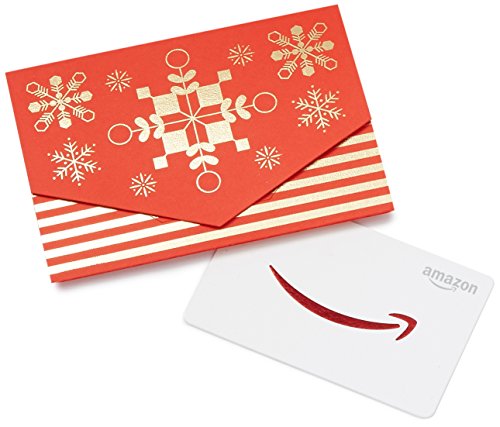
Gift Card is affixed inside a mini envelope

Polished Holiday-Themed Keepsake: Adorned with vibrant seasonal designs that capture the warmth and magic of Christmas, this special christmas gift card booklet is crafted to help you beautifully organize, stylishly display, and cherishedly treasure all your holiday gift cards and heartfelt greetings

Redemption: Instore