
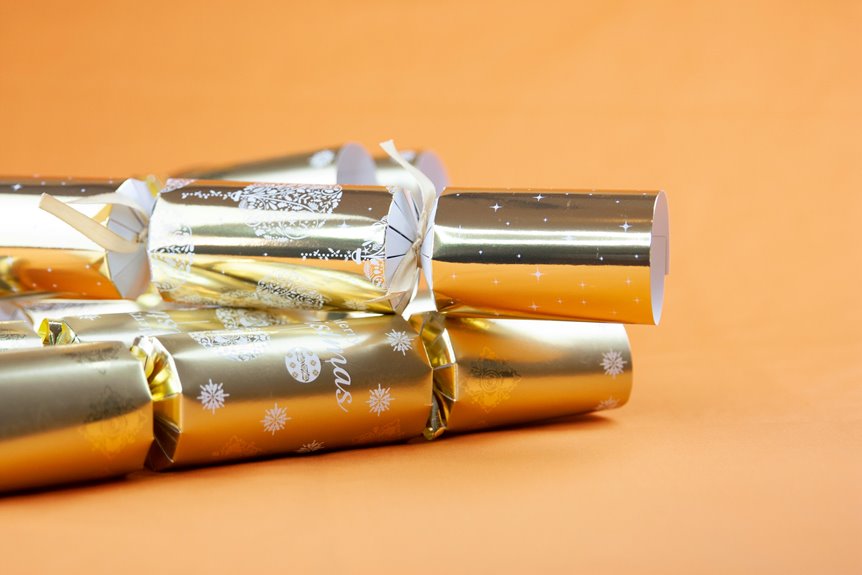
You can recycle gift wrap by testing if it’s recyclable first—crumple it to see if it stays folded, then try tearing a small piece. Plain paper without foil, glitter, or metallic ink goes in your bin, but coated or laminated wrap doesn’t. Before tossing, flatten everything and remove ribbons, bows, and plastic handles.
Non-recyclable wrap? Compost it or donate to thrift stores. Better yet, switch to fabric wraps or reuse materials yearly. This approach to sustainable wrapping will help improve your holiday routine.
How to Test if Your Gift Wrap Is Recyclable?
How can you tell if that pretty paper deserves a second life or belongs in the trash? I’ve got two tests you can try. First, I do the crumple test: I crush the wrap in my hand, and if it stays folded easily, it’s likely recyclable gift wrap. If I’m unsure, I move to the rip test—I tear a small piece like I’d tear printer paper. If it rips cleanly, great! It’s recyclable. However, if the wrap won’t tear or shows a plastic-like layer underneath, it heads straight to the landfill cart. Plain paper without foil, glitter, or metallic inks? Absolutely recyclable. These simple tests help me sort my wrapping paper correctly and feel good about my choices.

Subtle & Elegant Embedded Glitter: Our tissue paper features glitter embedded directly into the paper, ensuring a luxurious shimmer that catches the light. Perfect for adding a touch of elegance to weddings, birthdays, and holidays

60 SQUARE FEET: Each roll in this 3-pack of all-occasion gift wrap measures approximately 30 inches wide by 8 feet long for a total of 20 square feet per roll; 60 square feet total in the set

🎁【Value Gift Wrapping Paper Set】Includes 6 pack unusual happy birthday wrapping paper sheets + 8 pcs gift tags + 2 rolls X 10 meters natural flax string, recyclable wrapping paper birthday can meet most sizes of gift packaging needs perfect combination for gift wrap.
Recyclable Wrap: Plain Paper, Cardboard, and Paper Bags
I’ve got great news—some of your gift wrap options are actually super recyclable, and they’re probably sitting in your closet right now. Plain paper wrapping, cardboard boxes, and paper gift bags are solid choices because most curbside programs accept them without any fuss, though you’ll want to remove plastic handles or rope first. Let me show you why these three materials make recycling your gifts so much easier than you’d think.

【PREMIUM NON-COATED CLASSIC BROWN PAPER】Dimensions: 17.5" x 1,200" (100 feet) with a thickness of 120μm. Our kraft paper roll is produced using natural, pure, virgin pulp, ensuring superior quality. It is both flexible and soft, made entirely from 100% recyclable materials originating from Canada. The unwaxed, uncoated design allows for excellent breathability, preventing moisture accumulation. Moreover, it is crafted from natural, child-safe materials.
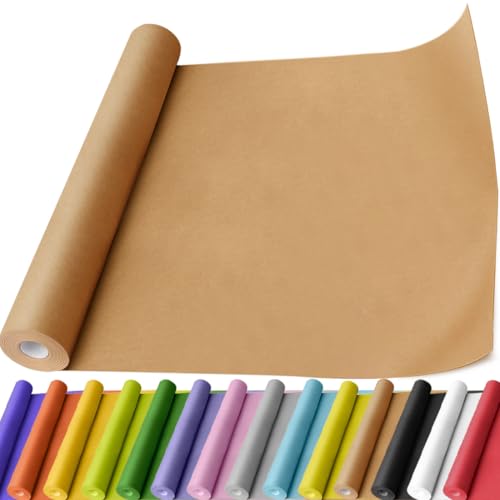
【HIGH-QUALITY NON-COATED CLASSIC KRAFT PAPER】Our kraft paper roll is made of natural, pure, virgin pulps, ensuring the highest quality. It is pliable, soft, and made from 100% recyclable material, which originates in Canada or Japan. The unwaxed and uncoated design allows for breathability, preventing moisture condensation. Moreover, it is made from natural and -safe materials.

【HIGH-QUALITY NON-COATED CLASSIC KRAFT PAPER】Our kraft paper roll is made of natural, pure, virgin pulps, ensuring the highest quality. It is pliable, soft, and made from 100% recyclable material, which originates in Canada or Japan. The unwaxed and uncoated design allows for breathability, preventing moisture condensation. Moreover, it is made from natural and child-safe materials.
Plain Paper Wrapping Options
Ever wondered why plain paper wrapping is a solid gift-wrap option? Here’s why—plain paper wrapping offers you flexibility and recyclability. Brown craft paper works as your blank canvas, and you can embellish it however you’d like with ribbons, stamps, or drawings. Simple tissue paper is another viable option that most curbside programs accept with mixed paper. The best part? You’re not limited to boring presentations. Plain paper wrapping lets you get creative while making an environmentally responsible choice. Since these materials are widely recyclable, you’re joining a community of gift-givers who care about the planet. Just check your local recycling guidelines to confirm what your area accepts. That’s it—you’re already thinking like an eco-conscious gift-wrapper.
Cardboard And Paper Bags
Beyond plain paper wrapping, you have recyclable options sitting right in your home—cardboard boxes and paper bags. These are effective gift wrap alternatives that most of us overlook.
Here’s what makes them work:
- Brown corrugated cardboard boxes break down flat for easy recycling
- Remove tape, ribbons, and decorations before tossing them in
- Boxboard from cereal and juice boxes works well if it’s paper-only
- Paper gift bags recycle easily when you strip off plastic or rope handles
- Simple tissue paper joins mixed paper in your curbside bin
When you choose cardboard or paper bags as gift wrap, you’re joining a community that reduces waste. These materials belong in your recycling program, making your gift-giving practice environmentally responsible and straightforward.
Materials to Keep Out of Your Recycling Bin
While some gift wrap is totally recyclable, plenty of it actually isn’t—and that’s where things get tricky. I’ve learned that glittered, metallic, foil, laminated, or coated gift wrap shouldn’t go in your bin; these materials head straight to the landfill instead. Ribbons, bows, and foam decorations? Keep those out too—they’re not recyclable. Here’s the thing about tissue paper: it’s got shortened fibers that curbside programs can’t handle, so composting or reusing it works better. Any paper with plastic-like layers or non-paper coatings needs to stay out as well. The good news is that plain, brown kraft paper and uncoated tissue paper are recyclable, depending on what your local guidelines allow. Knowing the difference makes recycling way easier.

Multifunctional jewelry boxes: 6x5x1 inch, 10 cotton jewelry boxes per pack, 100% brand new, made of high-quality cardboard. These jewelry gift boxes can be used for rings, necklaces, bracelets, earrings, pendants, brooches and several smaller items.

Thickened & Sturdy Cardboard- Our shipping box is made of high quality recyclable cardboard, durable and sturdy, safe to pack and ship small items without being crushed or damaged.

High-Quality Cardboard Jewelry Boxes - The jewelry box is made recyclable paper cardboard and does not bend or lose its shape easily, hard to tear and twist.The jewelry box comes lined with a layer of cotton fiber fill protects item from scratches and impact.
Prepare Your Wrap for Curbside Pickup
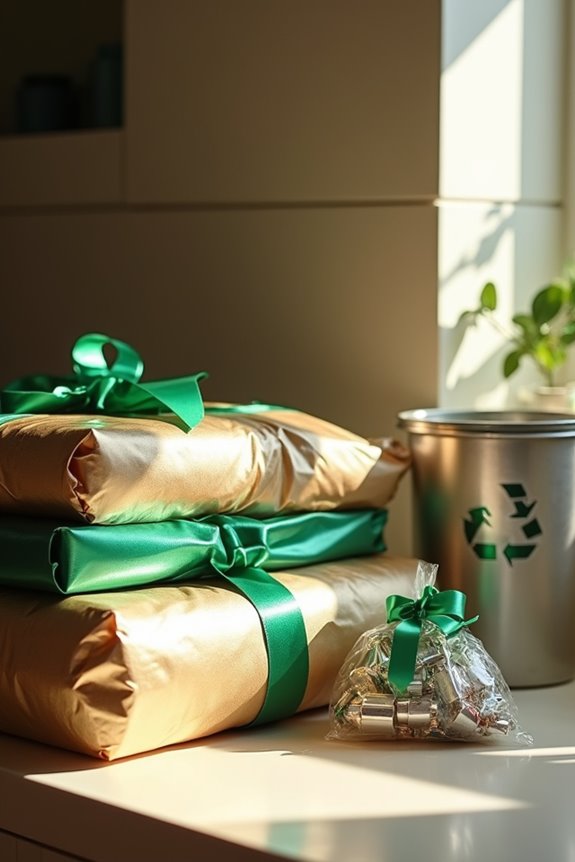
Getting your recyclable gift wrap ready for pickup is straightforward, and a little prep work helps.
Here’s what I do to prepare my gift wrap:
- Flatten all paper materials completely—this saves space in your bin
- Remove plastic handles from paper gift bags before tossing them
- Detach ribbons, bows, and any non-paper decorations completely
- Break down cardboard boxes into flat sheets for easy transport
- Separate materials by type when possible for smoother processing
I keep my recyclable gift wrap in one designated spot while unwrapping presents. This way, I’m not scrambling later. Plain brown paper, simple tissue, and plain cardboard boxes become valuable resources for your community’s recycling stream. Taking these few minutes upfront means your materials get processed correctly instead of contaminating entire batches. You’re helping the whole system work better.

Medium Gift Bags: Each kraft gift bag measures 8"x4.5"x10.8" with 4" handles, making them ideal for medium-sized gifts, party favors, wedding welcome kits, shopping packaging, or small business merchandise bags.

Please note the volume of bags might be smaller than your expectation since the design of bag.The upper length is 11 inches,the height is 7.9 inches,the bottom length is 7.48 inches, and the bottom side width is 3.54 inches.The length of the ribbon is 31.5inches and the width is 1.51inches.The Cotton handle height is 6.5inches.

White paper bag with handle :8x4.25x10.5 inches, 100 per pack. These gift bags are made of recycled paper. Perfect for Valentine's Day gift bags, small shopping bags, small business bags, wedding or party gift bags, gift bags.
Compost, Donate, or Upcycle Non-Recyclable Wrap
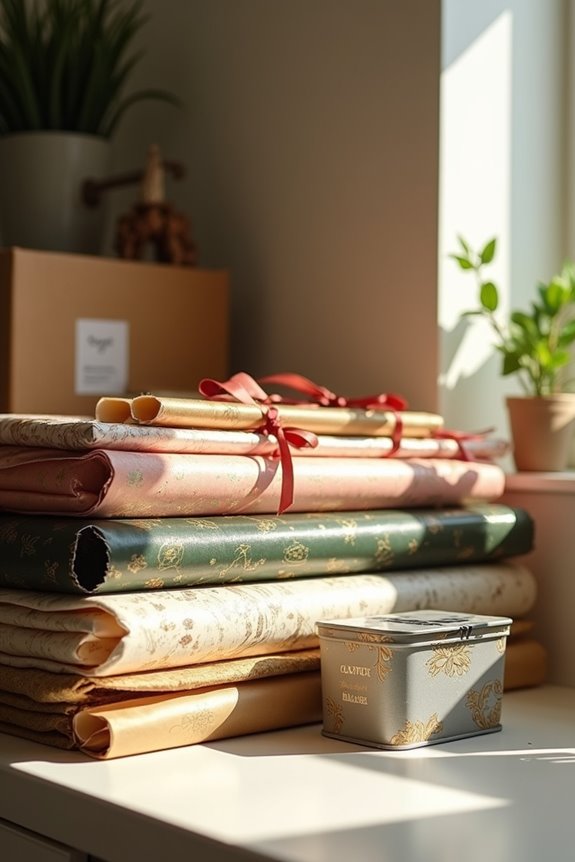
If your gift wrap can’t hit the recycling bin, you have several options: composting, donating, or getting creative with upcycling. Plain tissue paper without glitter or coating breaks down in compost, though it won’t add nutrients to your pile, and you can save it for future gifts or swap it out for fabric tea towels instead. Before anything lands in the landfill, consider giving your wrap a second life through crafts, packaging material, or donation to thrift stores and creative reuse centers.

[About Furoshiki] Furoshiki is the Japanese fabric wrapping art that has been practiced in Japan for over 1,300 years. It was used to wrap gifts and clothing. It has now become a versatile way to carry gifts, cake, bento boxes, bottles, groceries and more as Eco Gift Wrap Paper.
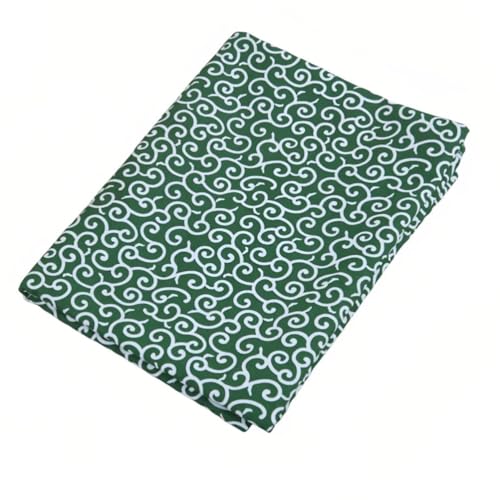
【About Furoshiki】 Furoshiki is the Japanese fabric wrapping art that has been practiced in Japan for over 1,300 years. It was used to wrap gifts and clothing. It has now become a versatile way to carry gifts, cake, bento boxes, bottles, groceries and more as Eco Gift Wrap Paper.

1 Fabric Wrap: This square of Christmas fabric gift wrap measures approximately 26" by 26", perfect for any small gift boxes, book wrapping, uniquely shaped objects. It’s also very convenient to store.
Composting Non-Recyclable Materials
So what do you do with gift wrap that can’t hit the recycling bin? I’ve found that composting works well for certain materials. Plain tissue paper is suitable for composting since it breaks down easily, though it won’t add nutrients to your pile. However, I skip anything with glitter or plastic coatings—these damage the composting process.
Here’s what I compost without worry:
- Plain kraft tissue paper
- Uncoated brown wrapping paper
- Natural twine and paper bows
- Newspaper-based gift wrap
- Cardboard tubes from rolls
The key is checking for those sneaky plastic layers before tossing materials in. When I’m unsure, I keep that tissue paper for future gifting instead. It’s a way to reduce waste while participating in sustainable gift-giving practices.
Creative Upcycling and Donation
Beyond composting, you have several practical options for gift wrap that can’t handle the recycling bin. Saving non-recyclable wrap for future gifts keeps materials out of landfills. You can transform old wrap into gift tags, padding for shipments, or craft projects—collages and decorated storage boxes work well. Ribbons and bows deserve similar care; reuse them on new presents or repurpose them as decorations. Gift wrap storage doesn’t require special systems. Fold everything neatly and keep it in a drawer. Donating unused wrap to schools or community centers is another effective option. These upcycling strategies connect you with people who minimize waste. Creativity can accomplish a lot with materials otherwise destined for trash.
Switch to Fabric, Glass Jars, and Natural Toppers
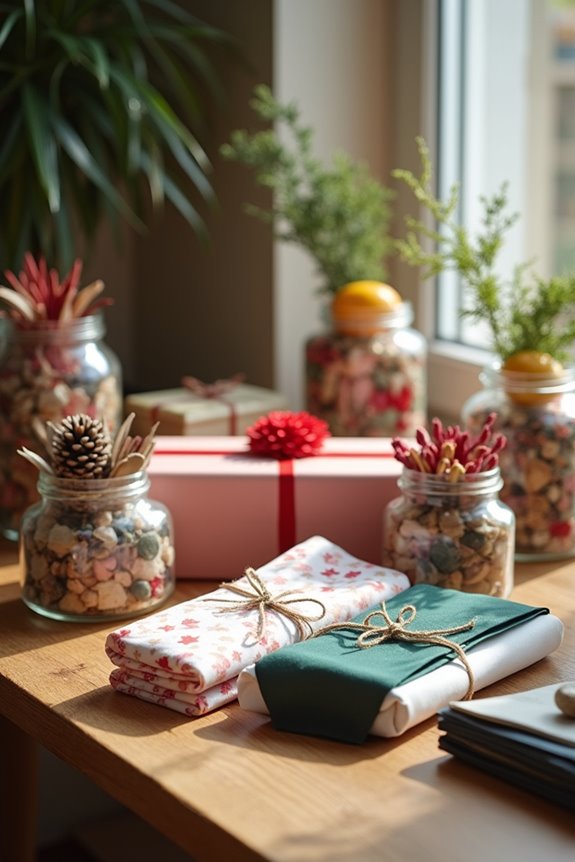
Why keep buying the same wrapping paper year after year when you could switch to gifts that wrap themselves?
I’ve discovered that fabric wraps like cloth totes and furoshiki cloths eliminate disposable waste while looking good. Here’s what makes this switch worthwhile:
- Reusable glass jars showcase small gifts beautifully and last for years
- Fabric wraps fold into decorative presentations that receivers actually keep
- Natural toppers like pinecones and branches replace plastic bows completely
- These materials get donated or reused instead of ending up in landfills
- You’ll join a growing community ditching single-use wrapping guilt
Pairing fabric wraps with natural decorations creates attractive packaging that supports your waste-minimization goals. Glass jars work well for candles, treats, or jewelry. You’re not just reducing trash—you’re investing in presentation pieces that matter. This approach works because it is practical and effective.

The white tissue paper bulk package contains 100 sheets of 14 x 20 inches white wrapping paper, enough quantity for you to use at will

Beautiful Wildflower Design: Adorn your gifts with a colorful wild flower print that exudes charm and elegance. The flower wrapping paper make it ideal for creating a wonderful gift presentation that leaves a lasting impression

【Value Wrapping Paper Set】Includes 6 pack recycled gift wrapping paper folded sheets + 8pcs gift tags + 2 rolls X 10 meters natural flax string, kraft birthday wrapping paper can meet most sizes of gift packaging needs perfect combination for gift wrap.
Save and Reuse Wrap for Next Year
Once you’ve wrapped gifts in fabric and natural materials, you’re already halfway to a waste-free wrapping routine—and here’s the notable part: you can stretch those efforts further by saving what you’ve used. I fold my fabric wraps and gift bags carefully, then organize them by type in a dedicated storage box. This gift wrap reuse strategy means I’m not buying new supplies annually. I keep ribbons rolled together, cloth napkins stacked flat, and reusable jars grouped by size. When December rolls around, I open my storage box and find everything ready to go. It’s like giving myself a present from last year’s self. By maintaining these materials in good condition, I’ve shifted wrapping from disposable to sustainable, proving that saving and reusing is both practical and beneficial for the planet.

Perfect Size: Each roll measures 30 inches width by 120 inches length, approx 25 square feet per roll, providing you with a total of 75 square feet of paper, sufficient to cover a wide variety of gift sizes.

【CLASSIC KRAFT PAPER】This solid kraft paper roll is a must-have paper roll item for packing, crating, shipping, moving, mailing, postal, parcel, sublimation printing, packaging fillers, table runner and floor coverings.

Perfect Size: Each roll measures 17 inch wide x 33 feet long. Providing you with a total of 46.5 square feet of paper, perfect for any Small or Medium sized gift.